


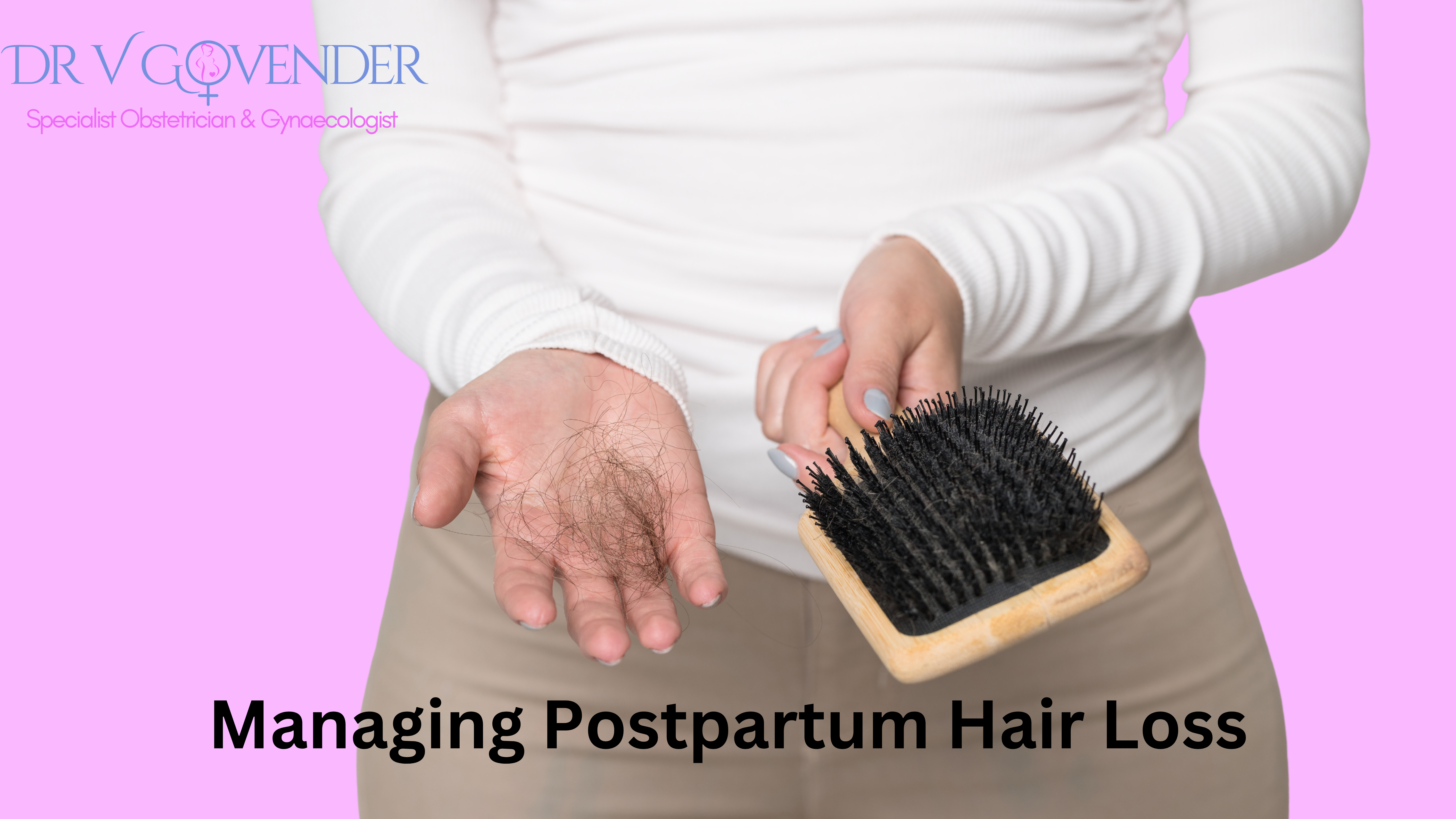

Introduction: Postpartum hair loss is a common experience for many new mothers, often causing concern and frustration. After the hormonal fluctuations of pregnancy and childbirth, many women notice significant hair shedding in the months following delivery. This blog explores the causes of postpartum hair loss, tips for management, and remedies to support hair health during this transitional period.
1. Understanding Postpartum Hair Loss
What is Postpartum Hair Loss? Postpartum hair loss, also known as telogen effluvium, typically occurs three to six months after childbirth. It is characterized by increased shedding of hair due to hormonal changes that trigger hair follicles to enter a resting phase.
Normal Hair Growth Cycle:
- Anagen (growth phase): Lasts 2-6 years.
- Catagen (transitional phase): Lasts a few weeks.
- Telogen (resting phase): Lasts about 3 months. After this phase, hair sheds.
During pregnancy, hormonal changes prolong the anagen phase, leading to thicker hair. After childbirth, hormonal levels drop, and more hair follicles enter the telogen phase simultaneously, resulting in noticeable hair loss.
2. Causes of Postpartum Hair Loss
1. Hormonal Fluctuations:
- The rapid decline in estrogen and progesterone levels after childbirth can trigger hair shedding.
2. Nutritional Deficiencies:
- Pregnancy can deplete essential nutrients, leading to deficiencies in vitamins and minerals crucial for hair health, such as iron, zinc, and biotin.
3. Stress:
- The physical and emotional stress of adjusting to motherhood can also contribute to hair loss.
4. Genetics:
- A family history of hair loss can play a role in the extent of postpartum shedding.
3. Tips for Managing Postpartum Hair Loss
1. Maintain a Balanced Diet:
- Focus on a nutrient-rich diet that includes:
- Proteins: Essential for hair growth (chicken, fish, eggs, legumes).
- Vitamins: Include foods rich in vitamins A, C, D, E, and B vitamins (fruits, vegetables, whole grains).
- Minerals: Incorporate iron, zinc, and omega-3 fatty acids (nuts, seeds, leafy greens, fatty fish).
2. Stay Hydrated:
- Drinking plenty of water supports overall health and helps maintain a healthy scalp.
3. Manage Stress:
- Incorporate stress-relief practices such as yoga, meditation, or gentle exercise to help manage stress levels and promote relaxation.
4. Hair Care Practices
1. Gentle Hair Care:
- Use a wide-toothed comb to prevent breakage and minimize stress on hair.
- Avoid harsh styling products and excessive heat from hairdryers or straighteners.
2. Limit Chemical Treatments:
- Minimize the use of chemical hair treatments (dyes, perms) during the postpartum period to reduce stress on hair.
3. Regular Trims:
- Getting regular trims can help remove damaged ends and make hair look healthier.
5. Supplements for Hair Health
1. Consult a Healthcare Provider:
- Before taking any supplements, consult with a healthcare provider to identify potential deficiencies.
- Common supplements that may support hair health include:
- Biotin: Supports keratin production.
- Iron: Essential for oxygen transport to hair follicles.
- Zinc: Promotes hair growth and repair.
- Vitamin D: Important for hair follicle cycling.
6. When to Seek Professional Help
1. Persistent Hair Loss:
- If hair loss continues beyond the postpartum period (more than six months), it may indicate an underlying condition, and consulting a healthcare professional is recommended.
2. Scalp Issues:
- Any signs of scalp irritation, itching, or inflammation should also be addressed by a dermatologist or healthcare provider.
7. Emotional Support
Postpartum hair loss can be emotionally challenging. It’s essential for new mothers to seek support from family, friends, or professional counseling if they feel distressed about changes in their appearance. Remember, this phase is temporary, and many women find that their hair returns to its normal growth pattern over time.
Conclusion: Postpartum hair loss is a natural part of the body’s adjustment after childbirth, but it doesn’t have to be a source of stress. By understanding the causes, maintaining a balanced diet, practicing gentle hair care, and seeking professional guidance when necessary, new mothers can effectively manage this transitional period. With time, patience, and proper care, most women will see their hair return to its pre-pregnancy fullness.


