


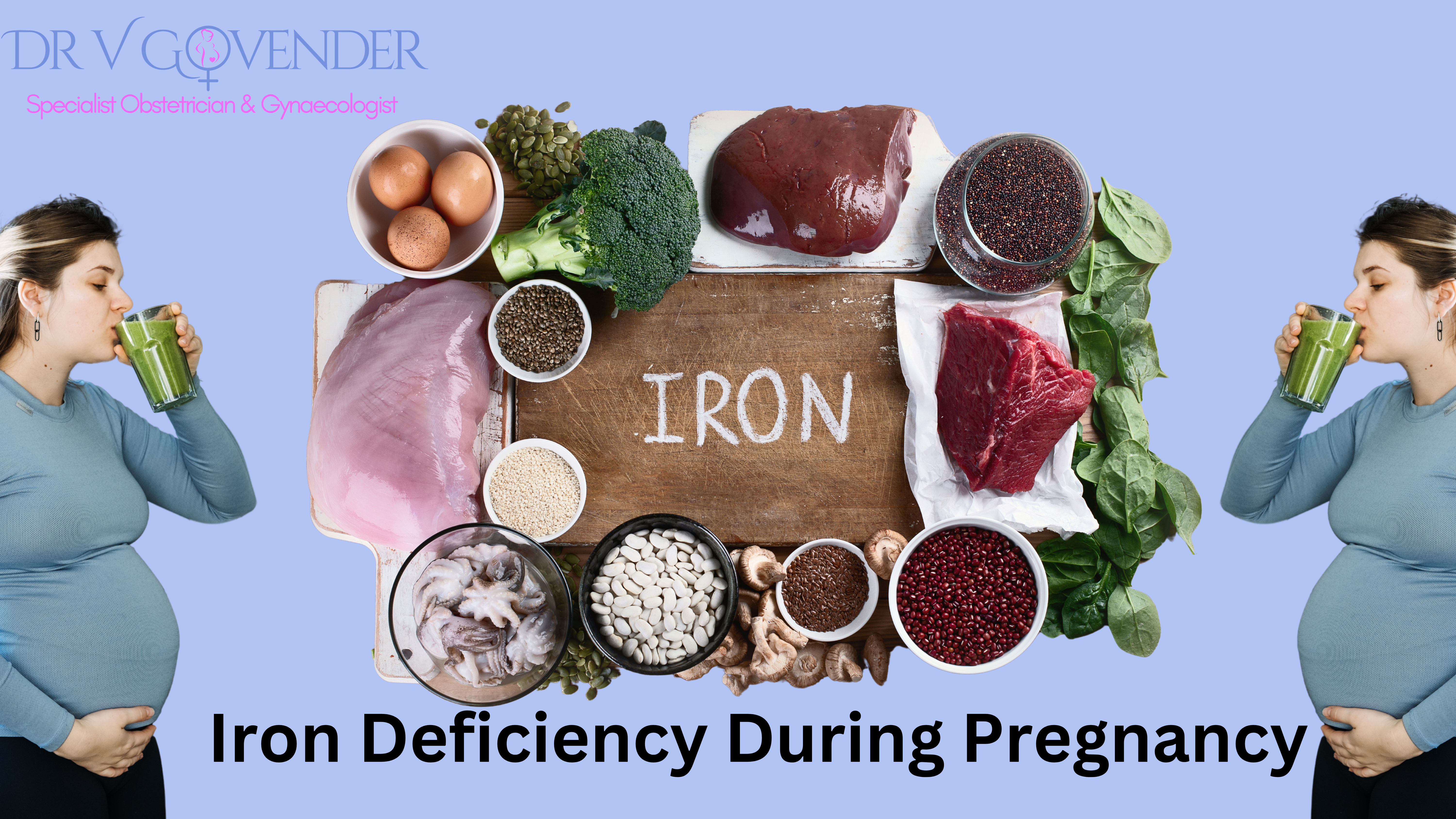

Introduction: Iron deficiency is a common concern during pregnancy, affecting both the mother and the developing fetus. Adequate iron levels are essential for producing hemoglobin, which carries oxygen to both mother and baby. This blog explores the causes of iron deficiency during pregnancy, its implications, and effective management strategies.
1. Understanding Iron Deficiency
What is Iron Deficiency? Iron deficiency occurs when the body lacks enough iron to produce adequate hemoglobin. This can lead to anemia, characterized by fatigue, weakness, and various health complications during pregnancy.
Why is Iron Important During Pregnancy?
- Supports the increased blood volume: During pregnancy, a woman’s blood volume increases significantly, requiring more iron for hemoglobin production.
- Fetal development: Iron is crucial for fetal growth and development, particularly for brain development and the formation of red blood cells.
2. Causes of Iron Deficiency During Pregnancy
1. Increased Demand: Pregnancy significantly increases the body’s demand for iron, particularly in the second and third trimesters, when the fetus grows rapidly.
2. Dietary Insufficiency: Some women may not consume enough iron-rich foods, leading to deficiency, especially in vegetarian or vegan diets.
3. Pre-existing Conditions: Women with pre-existing iron deficiency or those with heavy menstrual bleeding prior to pregnancy may be at a higher risk.
3. Symptoms of Iron Deficiency Anemia
Recognizing the symptoms of iron deficiency anemia is crucial for prompt management:
- Fatigue and weakness
- Pale skin and nails
- Shortness of breath or dizziness
- Rapid heartbeat
- Cravings for non-food items (pica)
4. Dietary Sources of Iron
1. Heme Iron:
- Found in animal products and is more easily absorbed by the body.
- Sources: Red meat, poultry, and fish.
2. Non-Heme Iron:
- Found in plant-based foods and fortified products, but not as easily absorbed.
- Sources: Beans, lentils, tofu, spinach, fortified cereals, nuts, and seeds.
5. Enhancing Iron Absorption
1. Pair Iron with Vitamin C:
- Consuming vitamin C-rich foods alongside iron-rich meals can enhance absorption.
- Sources of Vitamin C: Citrus fruits, strawberries, bell peppers, and broccoli.
2. Avoid Certain Foods During Iron Intake:
- Tannins in tea and coffee, calcium-rich foods, and certain medications can inhibit iron absorption. Try to consume these at different times from iron-rich meals.
6. Iron Supplements
1. When to Take Supplements:
- Healthcare providers may recommend iron supplements if dietary sources are insufficient or if a deficiency is detected.
2. Dosage:
- Follow your healthcare provider’s advice on the appropriate dosage. Most pregnant women require 27 mg of iron daily.
3. Managing Side Effects:
- Common side effects of iron supplements include constipation, nausea, and stomach discomfort. Taking the supplement with food or switching to a different form (like liquid iron) may help alleviate these symptoms.
7. Regular Monitoring
1. Prenatal Care:
- Regular prenatal visits allow healthcare providers to monitor iron levels through blood tests. Be proactive in discussing any symptoms or concerns.
2. Adjusting Plans:
- If iron levels are low, your healthcare provider may adjust your dietary plan or supplement regimen to ensure adequate iron intake.
8. When to Seek Medical Attention
If you experience severe fatigue, shortness of breath, or other concerning symptoms, seek medical attention immediately. These may indicate more serious complications associated with iron deficiency anemia.
Conclusion: Managing iron deficiency during pregnancy is crucial for the health of both mother and baby. By understanding the causes, recognizing symptoms, and implementing dietary strategies alongside potential supplementation, pregnant women can effectively manage their iron levels. Always consult with a healthcare provider for personalized recommendations and guidance throughout the pregnancy journey.


