


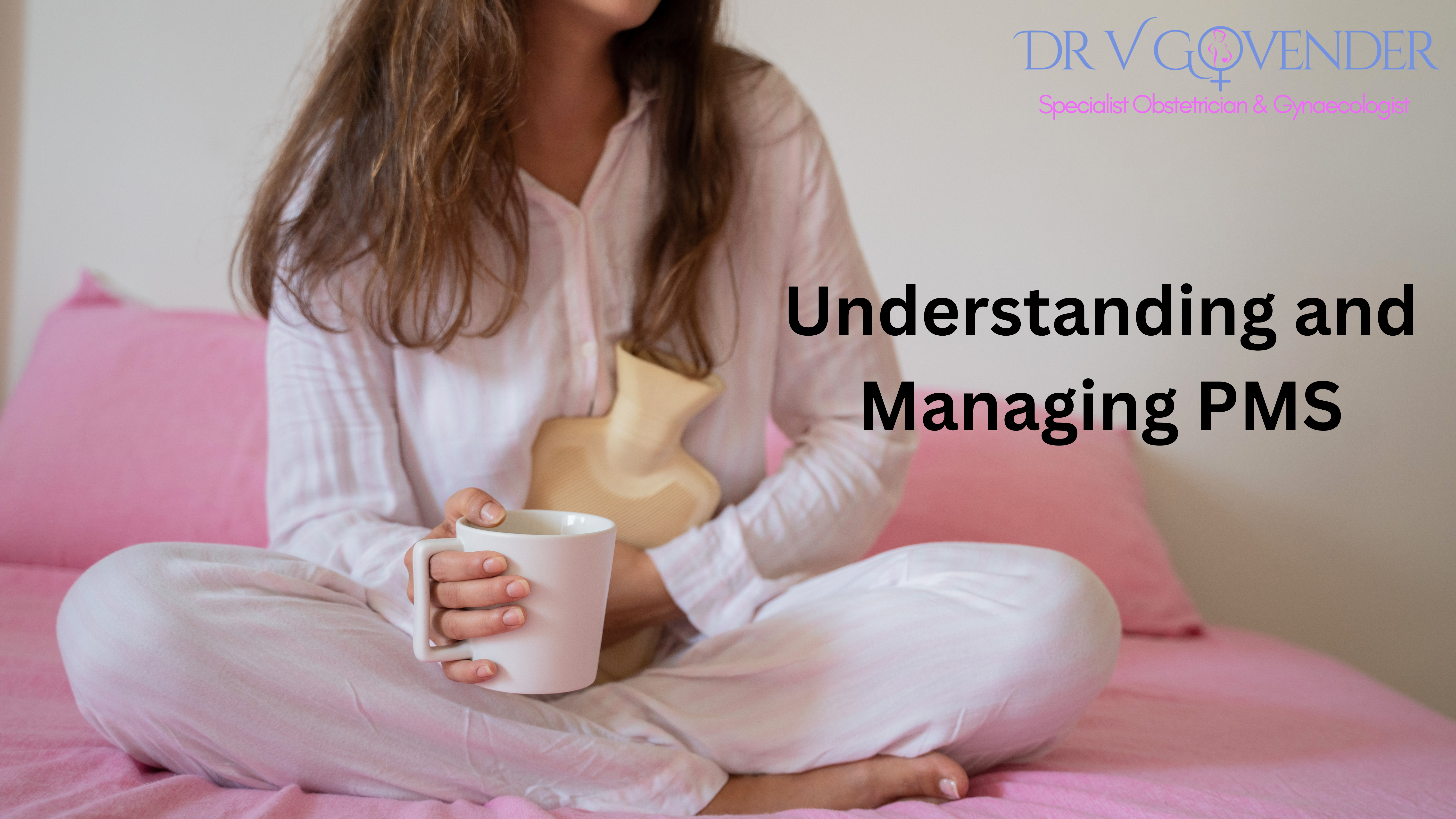

Introduction: Premenstrual Syndrome (PMS) is a common condition that affects many women during their reproductive years. Characterized by a variety of emotional and physical symptoms that occur in the luteal phase of the menstrual cycle, PMS can significantly impact daily life. This blog explores the causes, symptoms, and management strategies for PMS, empowering women to better understand and cope with this condition.
1. What is PMS?
Definition: PMS is a group of physical and emotional symptoms that occur in the week or two leading up to menstruation. Symptoms usually resolve once menstruation begins and can vary in intensity from cycle to cycle.
Statistics:
- Approximately 50-80% of women report experiencing some form of PMS.
- For around 20-40% of women, symptoms can be severe enough to interfere with daily activities.
2. Symptoms of PMS
Emotional Symptoms:
- Mood swings
- Irritability or anger
- Anxiety or tension
- Depression
- Changes in sleep patterns (insomnia or hypersomnia)
Physical Symptoms:
- Bloating
- Breast tenderness
- Headaches or migraines
- Fatigue
- Food cravings or changes in appetite
- Joint or muscle pain
Severity Levels:
- Mild PMS: Symptoms are manageable and do not interfere significantly with daily life.
- Moderate PMS: Symptoms cause some disruption to daily activities and may require management strategies.
- Severe PMS (PMDD): Premenstrual Dysphoric Disorder (PMDD) is a more severe form of PMS that affects 3-8% of women and can require medical treatment.
3. Causes of PMS
While the exact cause of PMS is not fully understood, several factors may contribute:
1. Hormonal Changes:
- Fluctuations in estrogen and progesterone levels during the menstrual cycle can affect mood and physical symptoms.
2. Neurotransmitters:
- Changes in serotonin levels may play a role in mood-related symptoms. Serotonin is a neurotransmitter that affects mood, sleep, and appetite.
3. Lifestyle Factors:
- Stress, lack of exercise, poor diet, and insufficient sleep can exacerbate PMS symptoms.
4. Genetic Factors:
- A family history of PMS may increase the likelihood of experiencing symptoms.
4. Management Strategies for PMS
1. Lifestyle Modifications:
- Diet: Adopt a balanced diet rich in fruits, vegetables, whole grains, and lean proteins. Reducing salt, caffeine, and sugar intake can help alleviate bloating and mood swings.
- Exercise: Regular physical activity can improve mood, reduce stress, and alleviate physical symptoms. Aim for at least 30 minutes of moderate exercise most days of the week.
- Sleep Hygiene: Ensure adequate sleep by maintaining a consistent sleep schedule and creating a restful sleeping environment.
2. Stress Management:
- Incorporate stress-reducing techniques such as yoga, meditation, deep-breathing exercises, or mindfulness practices to help manage emotional symptoms.
3. Supplements:
- Some studies suggest that calcium, magnesium, and vitamin B6 supplements may help reduce PMS symptoms. Consult with a healthcare provider before starting any supplements.
4. Medications:
- Over-the-counter pain relievers like ibuprofen or naproxen can help alleviate physical symptoms like cramps and headaches.
- Hormonal treatments, such as birth control pills, may regulate hormone levels and help reduce PMS symptoms.
- For severe cases, antidepressants (SSRIs) may be prescribed to manage mood-related symptoms.
5. When to Seek Help
If PMS symptoms significantly interfere with daily life or relationships, or if they worsen over time, it’s important to consult a healthcare provider. They can help determine if a more serious condition, such as PMDD, is present and discuss appropriate treatment options.
Conclusion: Understanding and managing Premenstrual Syndrome is vital for maintaining well-being during the menstrual cycle. By recognizing symptoms, exploring causes, and implementing effective management strategies, women can take control of their health and improve their quality of life. With the right support and resources, it is possible to navigate the challenges of PMS and embrace a healthier, more balanced lifestyle.


