



Introduction
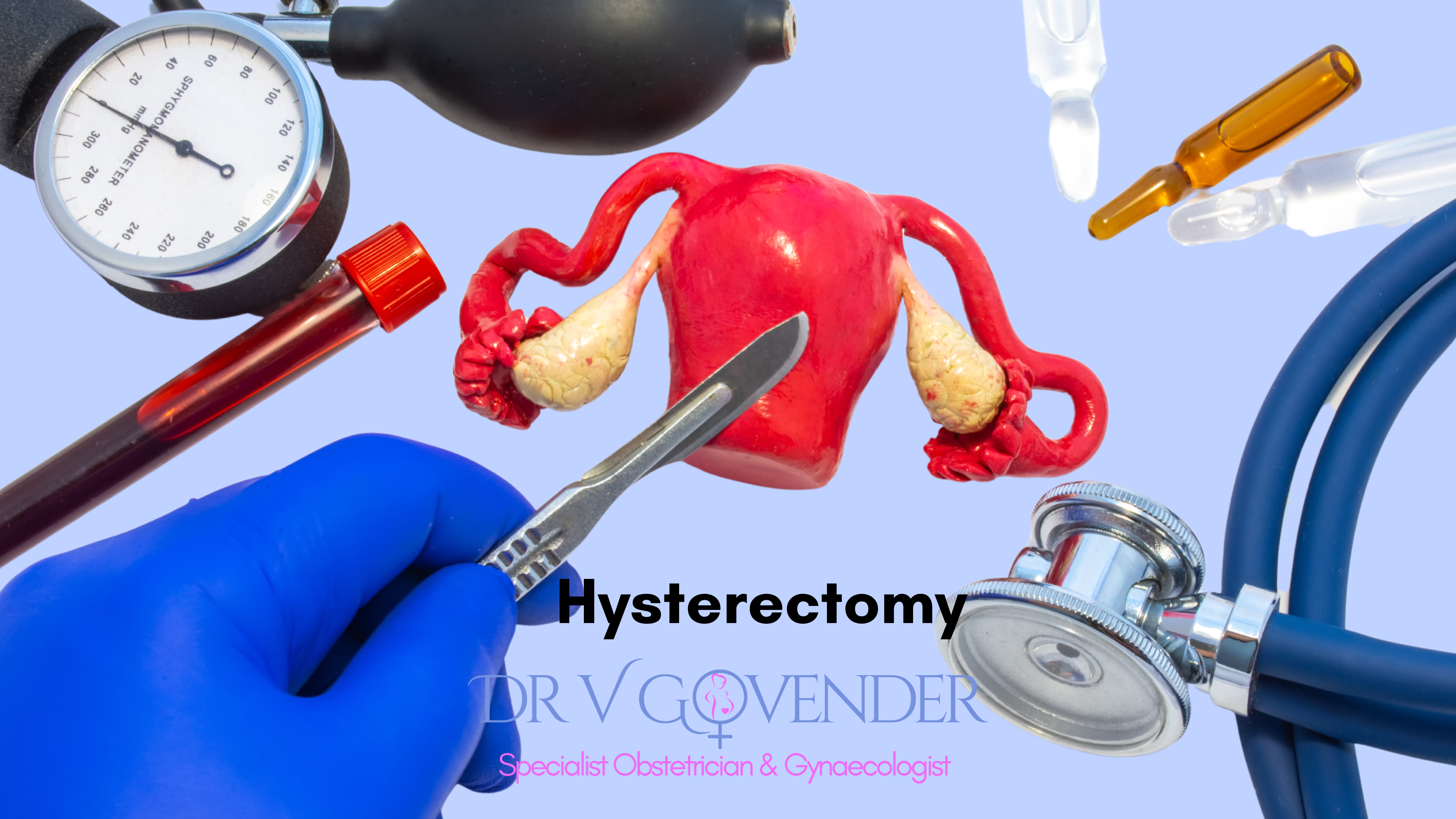
A hysterectomy, the surgical removal of the uterus, is a significant procedure that may be necessary for various medical conditions. While it can provide relief from debilitating symptoms, the decision to undergo a hysterectomy is complex and should be made with careful consideration and thorough consultation with a healthcare provider. This blog will explore the reasons for hysterectomy, the types of procedures available, what to expect before and after surgery, and the potential risks and benefits.
Reasons for Hysterectomy
Hysterectomy may be recommended for several medical reasons, including:
- Uterine Fibroids
- These noncancerous growths can cause heavy menstrual bleeding, pelvic pain, and pressure symptoms. If fibroids are severe and other treatments have failed, a hysterectomy may be necessary.
- Endometriosis
- Endometriosis occurs when uterine tissue grows outside the uterus, leading to pain, heavy periods, and fertility issues. In cases where other treatments have been ineffective, a hysterectomy may provide relief.
- Uterine Prolapse
- Uterine prolapse occurs when the uterus slips down into the vaginal canal due to weakened pelvic floor muscles. A hysterectomy can be an option to treat severe prolapse.
- Abnormal Uterine Bleeding
- Persistent heavy or irregular bleeding that does not respond to other treatments may necessitate a hysterectomy to alleviate symptoms.
- Cancer
- Hysterectomy may be recommended for women diagnosed with uterine, cervical, or ovarian cancer as part of treatment to remove cancerous tissues.
- Chronic Pelvic Pain
- In some cases, if chronic pelvic pain is associated with conditions that have not responded to other treatments, a hysterectomy may be considered.
- Adenomyosis
- This condition occurs when the tissue that normally lines the uterus grows into the uterine wall, leading to painful and heavy periods. Hysterectomy can provide relief when other treatments fail.
Types of Hysterectomy
There are several types of hysterectomy procedures, depending on the patient’s condition and the extent of the surgery:
- Total Hysterectomy
- The entire uterus and cervix are removed. This is the most common type of hysterectomy.
- Partial (or Subtotal) Hysterectomy
- Only the upper part of the uterus is removed, leaving the cervix intact. This option may be suitable for some women with specific conditions.
- Radical Hysterectomy
- This more extensive surgery involves the removal of the uterus, cervix, surrounding tissues, and possibly part of the vagina. It is typically performed in cases of cancer.
- Laparoscopic Hysterectomy
- A minimally invasive approach where small incisions are made in the abdomen, and the uterus is removed using specialized instruments. This method typically results in shorter recovery times and less postoperative pain.
- Abdominal Hysterectomy
- The uterus is removed through a larger incision in the abdomen. This method may be necessary for more complicated cases or larger uteri.
What to Expect Before Surgery
- Preoperative Evaluation
- Prior to the procedure, your healthcare provider will conduct a thorough evaluation, including a physical exam, medical history review, and possibly imaging tests. This assessment helps determine the appropriate type of hysterectomy.
- Discussion of Risks and Benefits
- Your provider will discuss the potential risks and benefits of the surgery, including possible complications and expected outcomes. It’s essential to ask questions and express any concerns during this discussion.
- Preparation for Surgery
- Instructions for preoperative preparation may include dietary restrictions, medication adjustments, and arrangements for recovery, such as time off work and support at home.
Recovery After Hysterectomy
- Hospital Stay
- The length of stay in the hospital will vary based on the type of hysterectomy performed. Laparoscopic procedures usually require shorter stays than abdominal surgeries.
- Postoperative Care
- After surgery, you will be monitored for any complications. Pain management and preventing infection are essential aspects of postoperative care.
- Recovery Time
- Recovery time varies but generally ranges from a few weeks for laparoscopic hysterectomies to up to six weeks for abdominal hysterectomies. Your healthcare provider will give specific instructions on activity restrictions and follow-up appointments.
- Physical Activity and Return to Work
- Gradual return to normal activities is recommended. Avoiding heavy lifting and vigorous exercise for several weeks is essential for a smooth recovery.
Potential Risks and Complications
While hysterectomy is generally safe, it does carry risks, including:
- Infection
- Like any surgical procedure, there is a risk of infection at the incision site or internally.
- Bleeding
- Some women may experience significant bleeding during or after surgery, which may require additional medical intervention.
- Damage to Surrounding Organs
- There is a small risk of injury to nearby organs, such as the bladder or intestines, during the surgery.
- Hormonal Changes
- If the ovaries are removed during the hysterectomy (oophorectomy), it can lead to early menopause and associated symptoms, including hot flashes and mood changes.
- Emotional Impact
- Some women may experience feelings of loss or grief related to the removal of the uterus, especially if they had hoped to have more children.
Conclusion
A hysterectomy can be a life-changing procedure for women suffering from various medical conditions. Understanding the reasons for the surgery, the types of procedures available, and the recovery process is essential for making informed decisions. If you are experiencing symptoms that may require a hysterectomy, consult with your healthcare provider to discuss your options, potential risks, and the best path forward for your health.


