


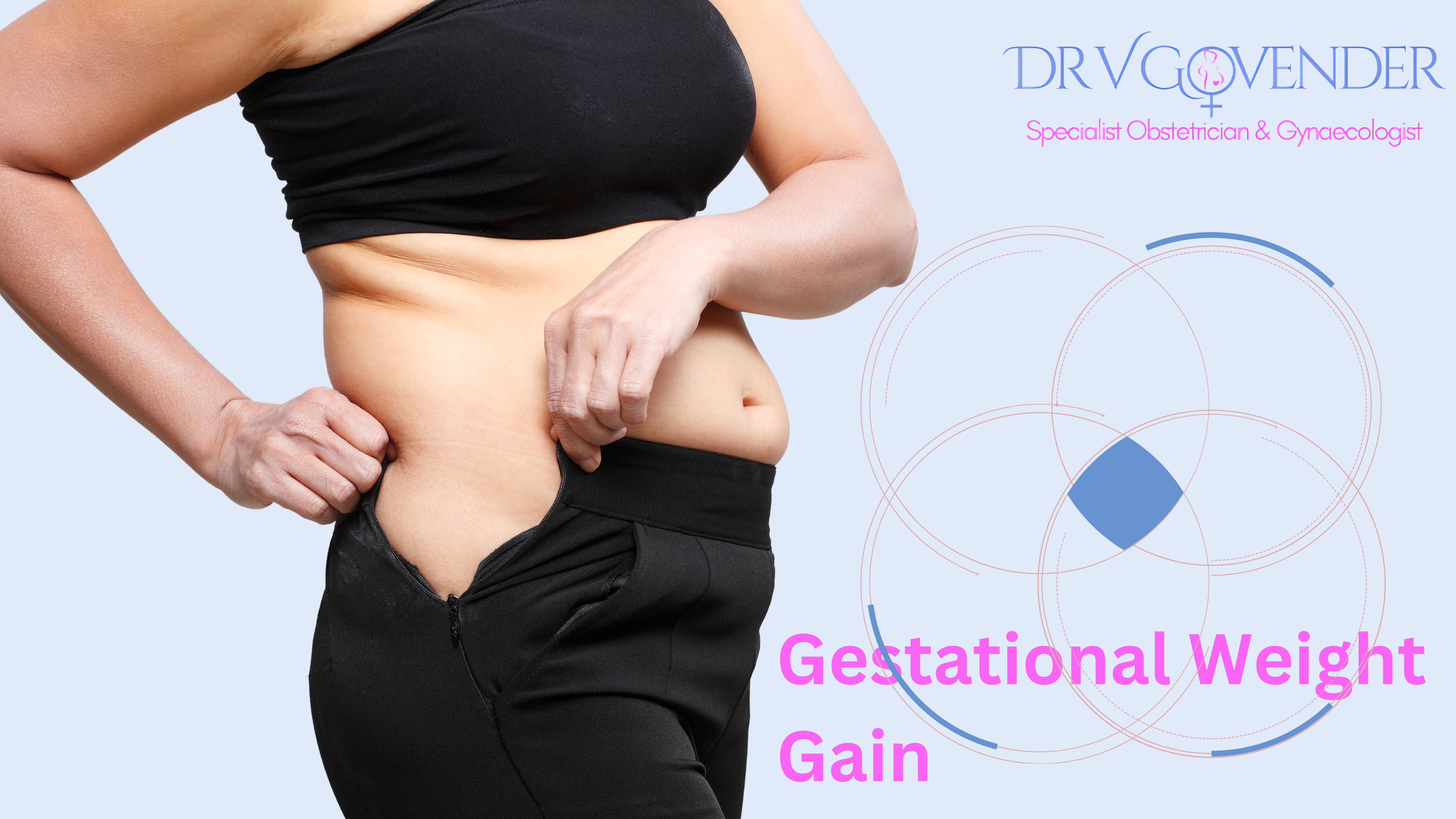

Managing weight gain during pregnancy is important for both maternal and fetal health. Gestational weight gain refers to the amount of weight a woman gains during pregnancy, which can affect the health of both the mother and the baby. Here’s a detailed guide on how to handle gestational weight gain, including recommendations for a healthy approach and tips for monitoring and managing weight gain throughout pregnancy.
Understanding Gestational Weight Gain
- Normal Weight Gain Ranges:
- Recommendations:The amount of weight gain recommended during pregnancy varies depending on your pre-pregnancy weight and whether you are carrying a single baby or multiples.
- Single Pregnancy: Generally, a total weight gain of 25-35 pounds is recommended for women with a normal pre-pregnancy weight.
- Underweight: Women who were underweight before pregnancy may be advised to gain 28-40 pounds.
- Overweight: Women who were overweight before pregnancy may be advised to gain 15-25 pounds.
- Multiples: For twins, the recommended weight gain is typically 37-54 pounds, and for triplets or more, it may be higher.
- Recommendations:The amount of weight gain recommended during pregnancy varies depending on your pre-pregnancy weight and whether you are carrying a single baby or multiples.
- Components of Weight Gain:
- Fetal Growth: The weight of the baby itself contributes to weight gain.
- Amniotic Fluid: Amniotic fluid surrounds and protects the baby, adding to weight.
- Placenta: The placenta is an organ that supplies nutrients and oxygen to the baby.
- Increased Blood Volume: Pregnant women experience increased blood volume, which adds to weight.
- Maternal Tissue: Weight gain also includes increased breast tissue and fat reserves.
Healthy Weight Management Strategies
- Balanced Diet:
- Nutrient-Rich Foods: Focus on a diet rich in fruits, vegetables, whole grains, lean proteins, and healthy fats. These foods provide essential nutrients without excessive calories.
- Avoid Empty Calories: Limit intake of sugary foods, refined grains, and high-fat snacks that provide few nutrients.
- Regular Physical Activity:
- Exercise Recommendations: Engage in moderate exercise, such as walking, swimming, or prenatal yoga, as recommended by your healthcare provider. Regular activity helps manage weight gain and supports overall health.
- Consult Your Provider: Before starting or continuing any exercise regimen, discuss it with your healthcare provider to ensure it’s safe for you and your pregnancy.
- Monitor Weight Gain:
- Track Progress: Regularly monitor your weight gain according to your healthcare provider’s recommendations. This helps ensure that you are within the recommended range and allows for timely adjustments if needed.
- Keep Records: Maintain a food and exercise diary to track your diet and activity levels, which can help you make informed decisions about your weight management.
- Manage Hunger and Portion Sizes:
- Healthy Snacks: Opt for nutritious snacks like yogurt, nuts, and fruits to satisfy hunger between meals.
- Portion Control: Be mindful of portion sizes to avoid overeating. Eating smaller, more frequent meals can help manage hunger and prevent excessive weight gain.
- Hydration:
- Drink Water: Staying hydrated is important for overall health and can help manage hunger. Aim to drink plenty of water throughout the day.
- Limit Sugary Drinks: Avoid sugary beverages and limit caffeine intake.
- Addressing Specific Concerns:
- Gestational Diabetes: If diagnosed with gestational diabetes, follow a diet plan tailored to manage blood sugar levels, and work with your healthcare provider to ensure proper management.
- Edema: Swelling in the hands, feet, or legs is common but should be monitored. Consult your provider if swelling is sudden or severe.
When to Seek Medical Advice
- Unusual Weight Gain:
- Rapid Weight Gain: Sudden or excessive weight gain may indicate fluid retention or other complications. Consult your healthcare provider if you notice unexpected changes in your weight.
- Nutritional Deficiencies:
- Signs of Deficiency: Symptoms such as fatigue, weakness, or dizziness may indicate nutritional deficiencies. Discuss any concerns with your healthcare provider to ensure you’re getting the necessary nutrients.
- Pre-existing Conditions:
- Consultation: If you have pre-existing conditions, such as obesity or metabolic disorders, discuss a personalized weight management plan with your healthcare provider.
Postpartum Considerations
- Postpartum Weight Loss:
- Gradual Loss: After delivery, weight loss should occur gradually. Focus on a balanced diet and regular physical activity to support healthy weight loss.
- Consult a Specialist: If you have concerns about postpartum weight management, consult a healthcare provider or a registered dietitian for guidance.
- Body Image and Mental Health:
- Support: Address any concerns about body image with support from healthcare providers, mental health professionals, or support groups. Prioritize self-care and mental well-being.
Conclusion
Managing gestational weight gain involves a balanced approach that includes a nutritious diet, regular physical activity, and mindful monitoring. By following these guidelines and working closely with your healthcare provider, you can support a healthy pregnancy and prepare for a positive postpartum experience. Remember that every pregnancy is unique, and individual recommendations may vary based on personal health and circumstances.


